

![echo $callnow_phoneicon['title']](https://myrtlebeach-electricians.com/wp-content/uploads/2017/11/emergency-electrician-in-north-myrtle-beach-sc-phone-icon.png) 843.444.2135
843.444.2135 Book Now!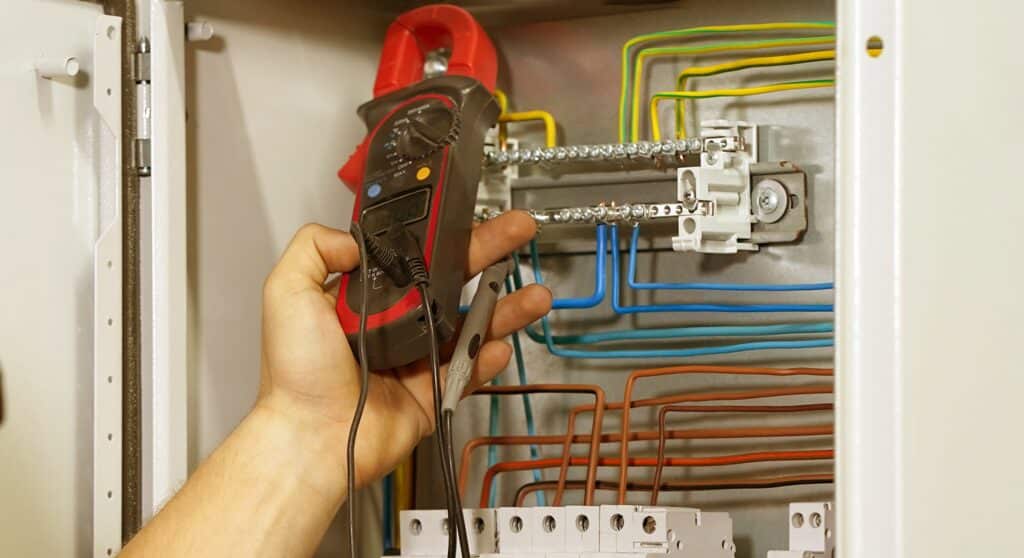
Bonding Continuity Tests that Prevent Hidden Shock Risks
Ensuring the safety of our homes and workplaces from electrical hazards is paramount. Bonding continuity tests serve as a critical tool in this endeavor, especially in areas like Myrtle Beach, SC, where the blend of residential and commercial spaces demands rigorous electrical safety measures. These tests help in identifying any hidden shock risks, safeguarding against electrical faults that could otherwise go unnoticed. It’s not just about compliance, it’s about peace of mind.
In Conway, SC, and surrounding areas, the emphasis on electrical safety is equally pronounced. Bonding continuity tests are a cornerstone in maintaining this safety, allowing for the verification of proper electrical paths. This ensures that, in the event of a fault, electricity is directed safely to the ground, minimizing the risk of shock or fire. Such tests are essential in both new constructions and existing structures, ensuring they meet current safety standards.
The process of conducting bonding continuity tests might seem complex, but it’s a routine yet crucial aspect of electrical maintenance. By methodically checking the continuity of bonding paths, electricians can pinpoint any deficiencies or breaks in the system. This proactive approach helps in preventing potential electrical hazards before they pose a real threat to safety and property. It’s a critical step in the overall strategy to maintain electrical integrity and safety.
For residents and businesses in Myrtle Beach, SC, and Conway, SC, understanding the importance of bonding continuity tests is a key aspect of electrical safety. These tests are not just a technical requirement, they are a fundamental practice to ensure the well-being of individuals and the protection of assets. By embracing these safety measures, communities can significantly reduce the risk of electrical accidents, making our environments safer for everyone.
Understanding Bonding and Grounding in Electrical Systems
To grasp the essence of bonding continuity tests, it’s crucial to first understand what bonding and grounding mean in electrical systems. Essentially, bonding connects electrical components together, ensuring they have the same electrical potential. Grounding, on the other hand, creates a safe path for electrical current to travel to the earth in case of a fault. This duo works hand in hand to prevent electrical shocks and ensure the safety of both individuals and property.
In Myrtle Beach, SC, where the demand for electrical safety is high, the role of bonding and grounding cannot be overstated. By conducting bonding continuity tests, electricians verify that the bonding and grounding paths are intact and effective. This is vital for the safety of electrical installations, as it ensures that, in the event of a fault, the electrical current is safely diverted away from people and towards the ground.
Moreover, these tests are not only a preventive measure but also a diagnostic tool. In Conway, SC, for instance, electricians use bonding continuity tests to identify and rectify potential issues in the electrical system before they escalate. This proactive approach is beneficial in minimizing the risk of electrical hazards, contributing to a safer living and working environment.
Lastly, understanding and implementing bonding continuity tests is a shared responsibility. Homeowners, business owners, and electricians must all be aware of the importance of these tests. Regular checks and maintenance ensure that the electrical systems within our communities remain safe and functional, protecting us against unforeseen electrical risks. This collective effort is key to maintaining the electrical integrity of our homes and workplaces, making our environments safer for everyone.
The Importance of Bonding Continuity Tests for Safety
Bonding continuity tests are essential for ensuring electrical safety in homes and businesses. In Myrtle Beach, SC, these tests are particularly crucial due to the area’s susceptibility to severe weather, which can impact electrical systems. By conducting these tests, electricians can ensure that all components of an electrical system are properly connected and grounded. This prevents dangerous situations where electrical faults could lead to shocks or fires, safeguarding the community’s safety.
In addition to preventing accidents, bonding continuity tests also play a significant role in maintaining the overall health of electrical systems. Regular testing helps identify weak points or potential failures in the system before they cause problems. For instance, in Conway, SC, electricians often discover issues during these tests that, if left unaddressed, could lead to significant hazards. This proactive approach not only enhances safety but also extends the lifespan of electrical installations.
The importance of these tests cannot be overstated, especially in areas with high electrical demand. Ensuring that the bonding and grounding paths are intact allows for the safe operation of all electrical appliances and systems. It acts as a fail-safe, directing any fault currents away from people and into the ground. This critical function protects individuals from potential electric shock, making it a fundamental aspect of electrical safety protocols.
Community awareness and cooperation are key to maximizing the benefits of bonding continuity tests. When homeowners and business owners in both Myrtle Beach and Conway understand the necessity of these tests, they are more likely to invest in regular electrical maintenance. This collective effort significantly reduces the risk of electrical hazards, creating a safer environment for everyone. Through ongoing education and professional diligence, the importance of bonding continuity tests remains a central theme in electrical safety discussions.

How Bonding Continuity Tests Work
Bonding continuity tests involve a series of steps to ensure that electrical systems are safe and effective. Electricians start by inspecting the physical connections within the system, ensuring that all components are properly bonded together. This initial step is crucial as it lays the foundation for the subsequent testing phase. By securing these connections, professionals prevent potential electrical hazards, contributing to a safer environment in Myrtle Beach, SC.
Following the inspection, electricians use specialized equipment to measure the electrical continuity between various points in the system. This process involves sending a small electrical current through the bonding path to verify its integrity. If the path is intact, the current will flow without interruption, indicating that the system is properly bonded. This step is vital in Conway, SC, where ensuring the reliability of electrical systems is a top priority.
Should any discontinuities be detected, electricians then pinpoint the exact location of the issue and perform necessary repairs. This might involve replacing faulty components or tightening loose connections to restore the bonding path’s integrity. This corrective action is a key aspect of bonding continuity tests, ensuring that electrical systems remain safe for use. It’s a proactive approach that significantly reduces the risk of electrical faults.
Finally, once repairs are made, electricians conduct a follow-up test to confirm that the bonding path is fully restored. This ensures that the electrical system is now safe for operation, protecting both people and property from potential electrical hazards. Regularly performing these tests is essential for maintaining electrical safety in both residential and commercial settings, making them a critical practice in the electrical industry.
Tools and Equipment for Conducting Bonding Continuity Tests
To conduct bonding continuity tests effectively, electricians rely on a range of specialized tools and equipment. Multimeters, for instance, are essential for measuring the resistance in electrical paths, ensuring that currents can flow freely and safely. This tool is indispensable in Myrtle Beach, SC, where accurate diagnostics are crucial for maintaining electrical safety. By using multimeters, professionals can quickly identify any issues that may compromise the bonding path.
Clamp meters also play a crucial role in these tests, especially when assessing larger commercial systems. These devices allow electricians to measure the current flowing through a conductor without direct contact, ensuring safety during the testing process. In Conway, SC, where various types of electrical installations are common, clamp meters provide a versatile solution for testing bonding continuity. Their non-invasive nature makes them particularly useful for routine maintenance checks.
For more comprehensive diagnostics, continuity testers are used to verify the completeness of electrical circuits. These simple devices emit a visual or auditory signal when a complete path is detected, confirming the integrity of the bonding. This straightforward approach is highly effective for initial assessments, allowing electricians to quickly pinpoint areas that may require further investigation. It’s a practical tool that simplifies the testing process, making it more efficient.
Lastly, advanced testing kits offer a combination of features for thorough evaluations of bonding and grounding systems. These kits often include a variety of probes, leads, and adapters, making them adaptable to different testing scenarios. Their versatility is particularly beneficial in areas like Myrtle Beach, SC, and Conway, SC, where electrical systems can vary significantly from one property to another. By leveraging these advanced tools, electricians can ensure the highest level of safety, reinforcing the importance of bonding continuity tests in preventing hidden shock risks.
Step-by-Step Guide to Performing Bonding Continuity Tests
Performing bonding continuity tests begins with a detailed visual inspection of the electrical system. Electricians in Myrtle Beach, SC, meticulously check for any signs of wear, corrosion, or loose connections that could compromise safety. This step is crucial as it identifies potential issues that might not be evident in electrical measurements alone. It sets the stage for a thorough evaluation of the system’s integrity.
Next, the electrician uses a multimeter to measure the resistance of the bonding paths. This process ensures that the electrical current has a clear, unobstructed path to follow in case of a fault. Low resistance indicates a strong, continuous bond, essential for the safety of both residential and commercial properties in Conway, SC. This step verifies the effectiveness of the electrical bonding, highlighting any areas that may need attention.
If the initial tests reveal any discrepancies, the electrician then focuses on pinpointing the exact location of the issue. This might involve segmenting the electrical system and testing individual components to isolate the fault. Such precision is necessary to address the problem effectively, ensuring the electrical system is safe and compliant with safety standards. This diagnostic approach minimizes the risk of electrical hazards, safeguarding the community.
Finally, after any necessary repairs are made, a comprehensive re-test is conducted to confirm the integrity of the bonding path. This ensures that all corrections have successfully restored the electrical system to its optimal safety standard. Regular bonding continuity tests are an integral part of maintaining electrical safety, preventing hidden shock risks in homes and businesses alike. Through diligent testing and maintenance, electricians play a key role in protecting the community from potential electrical dangers.
Common Issues Detected by Bonding Continuity Tests
Bonding continuity tests often uncover a variety of electrical issues that could pose serious risks if left unaddressed. One common problem identified is the presence of oxidized or corroded connections, which can significantly impede the electrical system’s ability to conduct current safely. In Conway, SC, the humid climate exacerbates this issue, making regular testing even more crucial. By catching these issues early, electricians can prevent potential electrical failures.
Another frequent issue detected through these tests is improperly installed wiring or components that compromise the bonding path. In Myrtle Beach, SC, renovations and upgrades to older buildings often reveal such oversights. Ensuring that all components are correctly installed and bonded is essential for maintaining the safety and integrity of the electrical system. This highlights the importance of professional oversight during any electrical work.
Loose connections also rank high on the list of problems found during bonding continuity tests. These can occur over time due to thermal expansion and contraction or may be the result of initial poor installation. Regardless of the cause, loose connections can disrupt the continuity of the bonding path, creating a potential hazard. Electricians meticulously tighten these connections to restore system safety.
Lastly, bonding continuity tests can reveal the absence of necessary bonding jumpers or bridges. These components are critical for maintaining the continuity of the electrical system across non-conductive parts like gas pipes or water lines. Their absence can lead to dangerous voltage potentials, posing a risk to both property and life. Installing these missing elements ensures the electrical system functions as a cohesive and safe unit.
Bonding Continuity Tests in Residential vs. Commercial Settings
Bonding continuity tests play a pivotal role in both residential and commercial settings, though the approach and complexity can vary significantly. In residential areas like Myrtle Beach, SC, these tests ensure that the electrical systems in homes are safe and free from potential shock hazards. This is particularly important in environments where the electrical demand might not be as high, but the safety and integrity of electrical systems remain paramount. Electricians focus on the essentials, ensuring that bonding paths in homes are continuous and secure.
In contrast, commercial settings in Conway, SC, demand a more robust approach to bonding continuity tests. Due to the complex nature of commercial electrical systems, which often include extensive wiring and numerous electrical panels, the testing process is more intricate. Here, electricians must navigate through a maze of circuits and components, ensuring that every part of the system is correctly bonded and grounded. The goal is to maintain a safe working environment while preventing any disruption to business operations.
The importance of these tests cannot be overstated, regardless of the setting. Regular bonding continuity tests help in identifying potential issues before they escalate into serious problems. Whether it’s a home or a business, ensuring the electrical system is properly bonded and grounded protects against electrical shock and fire hazards. It’s a proactive measure that significantly enhances safety and peace of mind for property owners.
Ultimately, the commitment to conducting bonding continuity tests reflects a broader dedication to electrical safety in both residential and commercial spaces. While the scale and specifics of the tests may differ, the objective remains the same: to ensure a safe, reliable path for electrical currents in the event of a fault. By adhering to this practice, electricians in Myrtle Beach, SC, and Conway, SC, play a crucial role in safeguarding communities against hidden electrical risks.

Preventing Electrical Hazards through Regular Testing
Bonding continuity tests are a crucial step in preventing electrical hazards, ensuring a safe environment for both homes and businesses. By conducting these tests regularly, electricians can identify and rectify any potential risks before they become dangerous. This proactive approach is particularly important in Myrtle Beach, SC, where environmental factors can affect electrical systems. Ensuring that all components are correctly bonded and grounded offers peace of mind to property owners.
In Conway, SC, the emphasis on electrical safety through these tests is equally significant. Regular testing helps maintain the integrity of electrical systems, preventing shocks and fires. Electricians play a key role in this process, using their expertise to conduct thorough inspections and repairs. Their work ensures that both residential and commercial properties are protected against electrical hazards.
The process of bonding continuity tests involves several key steps, each designed to verify the safety of electrical paths. From initial inspection to the final verification, electricians ensure every component functions as intended. This meticulous approach helps in identifying issues that might not be visible to the untrained eye. As a result, the electrical systems in Conway, SC, and Myrtle Beach, SC, remain safe and reliable.
Ultimately, the commitment to regular bonding continuity tests reflects a broader dedication to community safety. By identifying and addressing potential electrical risks, electricians help prevent accidents and ensure the well-being of residents and businesses. This ongoing effort to maintain electrical safety standards is essential for protecting properties and lives against the risks of electrical faults.
Frequently Asked Questions
What are bonding continuity tests?
Bonding continuity tests are essential for ensuring electrical safety in your home. These tests check if the electrical path to the ground is clear, which is crucial for preventing shock risks. By conducting these tests, professionals can identify and fix any potential hazards. This way, Mister Sparky helps keep your Myrtle Beach home safe from hidden electrical dangers.
How do you perform a shock risk assessment?
To perform a shock risk assessment, experts first inspect your home’s electrical system. They look for any signs of wear or damage. Then, they conduct bonding continuity tests to ensure a safe path to the ground. This process helps identify potential shock risks, keeping your home safe.
Why are bonding continuity tests important?
Bonding continuity tests are vital for maintaining electrical safety. They ensure that electricity has a secure path to the ground, reducing shock risks. This process helps identify hidden dangers in your home’s electrical system. By conducting these tests, Mister Sparky protects Myrtle Beach homes from unexpected electrical hazards.
What tools are needed for these tests?
For bonding continuity tests, professionals use specific tools. A multimeter is key to measure resistance and ensure a clear path to the ground. They also use clamp meters to check the current flow without interrupting the circuit. Insulation resistance testers help identify any insulation breakdowns. These tools work together to keep your home safe from electrical hazards.
Can DIYers conduct these tests safely?
DIY enthusiasts should approach bonding continuity tests with caution. These tests involve complex electrical systems and require specific tools and knowledge. Without proper training, attempting these tests can be unsafe. It’s best to rely on professionals like Mister Sparky to ensure your Myrtle Beach home is protected from electrical hazards.